What Is Bone Grafting?
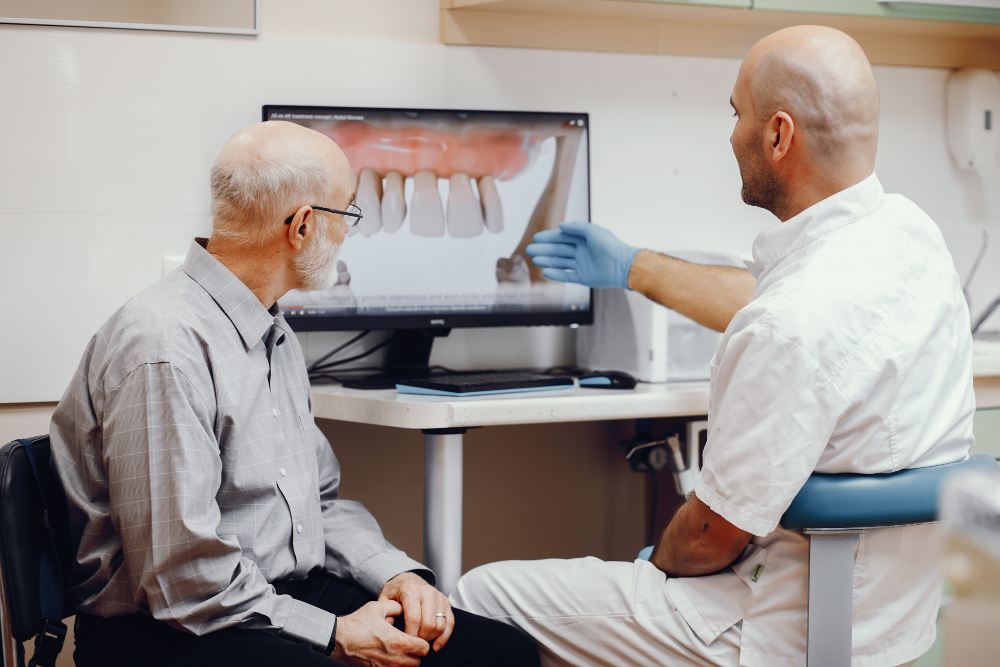
Bone grafting for dental implants is a common procedure in modern dentistry. It helps rebuild bone in your jaw when there is not enough to support an implant. In simple terms, bone grafting means adding new bone or bone-like material to the jaw. As a result, this creates a strong base for dental implants. Dentists use this method to help more people qualify for implants. According to the American Association of Oral and Maxillofacial Surgeons, bone grafting is safe and effective when done by trained professionals.
Why Is Bone Grafting Needed for Dental Implants?
Sometimes, people lose bone in their jaw due to tooth loss, gum disease, or injury. Without enough bone, dental implants may not stay in place. Therefore, bone grafting for dental implants is often needed before the implant can be placed. This step ensures the implant will be stable and last longer. In many cases, bone loss happens slowly, so you may not notice it. However, your dentist can check your bone levels with X-rays or scans. If you need bone grafting in your area, ask your dentist about local options and specialists.
Types of Bone Grafts Used in Dentistry
There are several types of bone grafts used in dental care. Each type has its own benefits. Your dentist will choose the best one for your needs. Common types include:
Each option has pros and cons. For example, autografts heal well but require a second surgery. On the other hand, allografts and xenografts avoid extra surgery but may heal more slowly.
The Bone Grafting Procedure: What to Expect
Knowing what to expect can help you feel more comfortable. Here is a simple step-by-step guide to the dental bone graft procedure:
The whole process usually takes less than an hour. However, larger grafts may take longer. Most people can go home the same day. For more details, ask your dental team about the steps in your case.
Recovery and Aftercare Tips
Proper care after bone grafting helps you heal faster. Here are some bone graft recovery tips:
Most people feel better within a few days. However, full healing may take several months. Your dentist will let you know when you are ready for the dental implant preparation stage.
Benefits and Risks of Bone Grafting
Bone grafting offers many benefits, but it also has some risks. Understanding both can help you make an informed choice.
According to the CDC and peer-reviewed dental journals, serious problems are rare when bone grafting is done by skilled professionals. Still, it is important to discuss all risks and benefits with your dentist.
Frequently Asked Questions
If you are thinking about dental implants, bone grafting may be the first step. Consult a dental specialist to find out if bone grafting is right for your dental implant needs.